
Got 10 minutes for a chat? Why not arrange a quick call with one our QR code experts? We’ll happily provide information about how they can be used, the principal benefits to your business and will answer any questions you may have.
Getting your property officially registered in Queensland can feel a bit like a maze sometimes. There’s a fair bit of paperwork and a specific process to follow. We’re going to break down real estate registration QLD to make it a bit clearer, covering what you need, how it all works, and why getting it right from the start is a good idea. It’s not the most exciting part of buying or selling, but it’s definitely an important one.

Registering a property in Queensland is a vital step that officially records ownership and any associated interests, like mortgages or leases, against a specific parcel of land. It’s the process that makes your claim to the property legally sound and publicly recognised. Think of it as the final stamp of approval that says, "This land belongs to this person (or entity)." Without proper registration, your ownership might not be fully protected against third-party claims, which can lead to all sorts of headaches down the line.
Accurate property records are the bedrock of a fair and transparent land market. They provide certainty for owners, lenders, and government bodies alike. When records are precise, it means that when you look up a property, you get a clear picture of who owns it, any encumbrances it might have, and its exact boundaries. This clarity is what prevents disputes and ensures that transactions can proceed smoothly. It’s all about having a reliable history for every piece of land.
To get your property registered, you’ll need a few key pieces of information. This typically includes:
This information is all meticulously checked by the relevant government department to ensure everything is in order before it’s officially recorded. It’s a bit like filling out a very important form, but for your land.
The Department of Natural Resources and Mines (DNRM) is the government body responsible for land registration in Queensland. They manage the Land Titles Registry, where all property ownership details are kept. While they provide the framework and the system, the actual process of lodging documents often involves a solicitor or a licensed conveyancer. They know the ins and outs of the DNRM’s requirements and can help you submit everything correctly. Understanding their role is key to a smooth registration process, and they are the ultimate authority on land titles in the state. For more on how leases are registered, you can look into Section 64 of the Land Title Act.
Estate agents can also benefit from modern tools. For instance, Scan A Sign transforms traditional estate agent boards into always-on lead generators. With editable QR codes and a simple dashboard for managing links and analytics, agents can easily update property details and track interest. This offers clear benefits for winning more instructions and generating more viewings, making the entire marketing process more efficient.
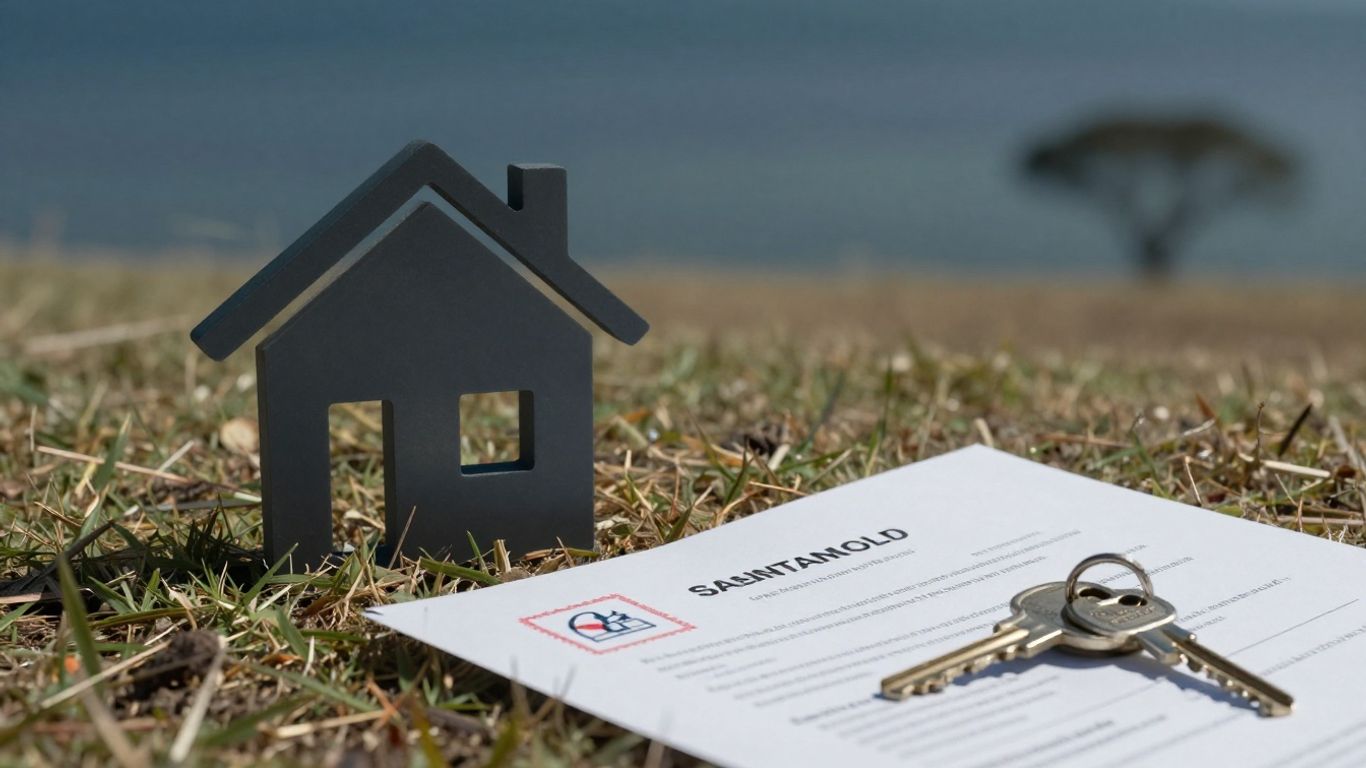
So, you’ve found your dream property in Queensland and the paperwork is starting to pile up. Don’t worry, we’ll walk you through the registration process. It might seem a bit daunting, but breaking it down makes it much more manageable. Think of it as the final step to officially owning your piece of Queensland.
Once all the necessary checks and agreements are in place, the actual lodging of your application for registration begins. This is where the transfer of ownership is formally recorded. It involves submitting a package of documents to the relevant government body, usually the Titles Registry. This package typically includes the transfer instrument, any required statutory declarations, and proof of payment for associated duties and fees. It’s important that all these documents are correctly filled out and signed, as any errors can cause delays. For a smooth transition, understanding the Queensland conveyancing process is key before this stage.
When it comes to property registration, patience is a virtue. The time it takes can vary quite a bit. Generally, you can expect the process to take anywhere from a few weeks to a couple of months. This depends on the volume of applications being processed by the Titles Registry and whether your application is straightforward or has any complexities. It’s always a good idea to factor in potential delays when making plans, especially if you have a specific move-in date.
There are a few common slip-ups that can slow down or even halt the registration process. One of the most frequent is incorrect or incomplete documentation. Double-checking all names, addresses, and property details is vital. Another pitfall is not paying the correct amount of transfer duty or other fees upfront. Missing signatures or failing to provide required supporting evidence can also cause headaches.
Paying close attention to detail at every step can save you a lot of time and hassle.
For estate agents, keeping potential buyers engaged while they wait for registration is key. This is where innovative tools come in. Scan A Sign, for example, turns your ‘For Sale’ boards into always-on lead generators. With editable QR codes, you can link directly to property details, and a simple dashboard lets you manage links and track analytics. This means you can win more instructions by showing sellers a cutting-edge marketing approach, and keep buyers interested with instant access to information, even when your office is closed. It’s a clear benefit for securing viewings and ultimately, closing deals.
Getting your property officially registered in Queensland involves a few key pieces of paperwork. It might seem a bit daunting at first, but understanding what’s needed makes the whole process much smoother. Think of it as gathering all your ingredients before you start cooking – get them ready, and the rest is straightforward.
When you buy property in Queensland, you’ll usually need to pay Transfer Duty (formerly known as Stamp Duty). This is a state government tax on certain transactions, including property transfers. The amount you pay depends on the property’s value. You’ll need to complete the relevant Transfer Duty forms and lodge them with the Queensland Revenue Office (QRO). It’s important to get this right, as incorrect forms can cause delays. The QRO website has all the forms and calculators you’ll need, but your solicitor or conveyancer will handle this for you as part of the process.
To make sure everything is legitimate, you’ll need to provide proof of your identity. This is standard practice for most official transactions. Typically, you’ll need to show a combination of documents, such as a driver’s licence, passport, or birth certificate. The exact requirements can vary slightly, so it’s best to check with the registering authority or your legal representative. They need to be sure that the person registering the property is who they say they are.
This is where you show you have the right to register the property. The main document here is usually the contract of sale, which outlines the terms of the purchase. If you’re inheriting property or it’s being transferred for other reasons, you might need different supporting documents like a will or a court order. Your solicitor or conveyancer will guide you on what specific evidence is required based on your situation. It’s all about building a clear, undeniable case for your ownership.
Having all these documents in order is key to a hassle-free property registration.
For estate agents, making sure potential buyers can get information instantly is a game-changer. Tools like Scan A Sign are brilliant for this. They turn your ‘For Sale’ boards into always-on lead generators. You get editable QR codes that link directly to property details. Plus, there’s a simple dashboard to manage all your links and see the analytics. This means you can win more instructions because you’re showing sellers you have a modern, effective marketing approach, and you can generate more viewings by making it super easy for buyers to get the information they need, right when they need it.
These days, most government departments are moving towards digital platforms to make things easier for everyone. For property registration in Queensland, this means you’ll likely interact with online portals. These systems are designed to streamline the process, allowing you to lodge documents and track your application’s progress without needing to visit an office in person. It’s all about making the system more accessible and less of a hassle. You can often find information about required forms and fees directly on these portals, saving you time searching elsewhere.
E-conveyancing is a big step forward in how property transactions are handled. It uses secure online platforms to manage the entire process, from signing documents to transferring funds and registering the property. This digital approach cuts down on paperwork and speeds things up considerably. It means less chance of errors and a clearer audit trail for everyone involved. Queensland is working towards making more of its property transactions fully electronic, which should make the registration process even smoother in the future. You can find out more about the state’s plans for electronic lodgement here.
When dealing with property registration, you’re handing over sensitive personal and financial information. It’s natural to wonder how it’s all kept safe. Government departments and the platforms they use have strict security measures in place to protect your data. This includes encryption, secure login procedures, and regular security audits. They are committed to maintaining the privacy of your information throughout the registration process. It’s important to be aware of these measures and to use strong passwords and secure networks when accessing any online portals yourself.
Navigating the complexities of property registration in Queensland can feel like a maze, and while DIY is an option for some, it’s often wise to have a seasoned guide. This is where solicitors and licensed conveyancers come into play. They’re the professionals who understand the ins and outs of property law and the registration process, making sure everything is filed correctly and on time.
It’s not always about having a complex transaction; sometimes, even straightforward sales can have hidden snags. Engaging a professional early on can save you a lot of headaches down the line. Here are a few scenarios where their help is particularly beneficial:
Engaging a solicitor or conveyancer isn’t just about ticking boxes; it’s about securing your investment and ensuring a smooth transition of ownership. They act as your advocate, protecting your interests throughout the entire process.
The cost of professional services can vary, and it’s good to have an idea of what to expect. Most solicitors and conveyancers will provide a quote upfront, which usually covers:
It’s always a good idea to get a few quotes and compare them. Don’t just go for the cheapest option; consider the experience and reputation of the professional. Some firms, like VK Lawyers, focus on simplifying the process for clients, which can be a huge relief.
Finding the right person to handle your property registration is key. Look for professionals who are:
In today’s market, innovative tools can also set professionals apart. For instance, using services like Scan A Sign means estate agents can turn their ‘For Sale’ boards into always-on lead generators. With editable QR codes and a simple dashboard for managing links and analytics, agents can win more instructions and generate more viewings by making property information instantly accessible. This forward-thinking approach can be a good indicator of a professional’s commitment to efficiency and client service.
So, you’ve successfully registered your property in Queensland. That’s a big step, and it’s natural to wonder what happens next. Think of registration as the official stamp of approval, making your ownership clear and legally recognised. But the process doesn’t quite end there. There are a few important follow-up steps to ensure everything is in order for the future.
Once the registration is complete, you’ll receive your Certificate of Title. This is the primary document proving you own the property. It’s really important to keep this safe, perhaps in a secure place like a home safe or with your solicitor. It’s the key document you’ll need if you ever decide to sell, mortgage, or transfer the property in the future. Losing it can cause significant hassle, so treat it with care.
The Queensland Government’s Office of State Revenue manages land tax. When a property changes hands, it’s vital that their records are updated to reflect the new owner. This ensures that any future land tax assessments are sent to the correct person. While your solicitor or conveyancer often handles this as part of the process, it’s always a good idea to double-check that this has been done. You can usually find information on land tax on the Queensland Government’s website.
Having your property correctly registered is the foundation for any future dealings. Whether you’re planning to sell, lease, or use the property as security for a loan, a clear and up-to-date title is non-negotiable. For instance, if you’re looking to secure a loan, the bank will need to see proof of your ownership and register their interest as a mortgage against the title, as allowed under Section 72(1) of the Land Title Act 1994 [57ca]. Without proper registration, these transactions become complicated, if not impossible.
It’s also worth considering how you present your properties to potential buyers. In today’s market, making information instantly accessible is key. This is where tools like Scan A Sign come in handy. They turn your ‘For Sale’ boards into always-on lead generators. With editable QR codes, you can link directly to property details, and a simple dashboard lets you manage links and track analytics. This offers clear benefits for winning more instructions and securing more viewings by providing buyers with immediate access to information, even when your office is closed. It’s a smart way to bridge the gap between your physical signage and your online presence, making the whole process smoother for everyone involved.
Once you’ve finished signing up, there are just a few more steps to get you started. We’ve made the process super simple, so you’ll be up and running in no time! If you need any help at all, don’t hesitate to get in touch. Ready to dive in? Visit our website to complete your setup.
So, that’s the lowdown on getting your property registered in Queensland. It might seem like a bit of a process at first, but honestly, it’s all about ticking the right boxes. Once you’ve got all your paperwork sorted and understand the steps, it’s pretty straightforward. Think of it as getting your ducks in a row so everything runs smoothly. You’ll be glad you took the time to do it right. Happy property hunting!
Property registration is basically the official way of saying who owns a piece of land or a house in Queensland. It’s super important because it creates a clear, legal record. This means everyone knows for sure who the rightful owner is, which stops arguments and makes sure everything is above board when you buy, sell, or even borrow money against the property.
You’ll need a few key bits of info. This includes details about the property itself, like its address and land description. You’ll also need to know about the people involved – the buyer and the seller. Plus, you’ll need documents that prove who you are and show that the sale has been agreed upon, like a contract.
The time it takes can vary quite a bit. Sometimes, if everything is in order and submitted correctly, it can be done fairly quickly, maybe within a few weeks. However, if there are any hiccups, missing documents, or if the department is really busy, it could take longer. It’s best to check with the Department of Natural Resources and Mines or your solicitor for the most current estimates.
A common mistake is not having all the paperwork exactly right. Small errors on forms, missing signatures, or not including all the required supporting documents can cause delays. Another pitfall is not understanding the fees involved, like transfer duty, and being surprised by them. It’s also easy to forget to update your details after registration, which can cause issues later.
While it’s not always legally required for every single transaction, it’s highly recommended. Solicitors and conveyancers know the ins and outs of the process. They can make sure all your paperwork is correct, help you avoid common mistakes, and generally make the whole thing much smoother and less stressful for you. They’re like your guides through the property maze!
Once it’s all registered, you’ll usually get an official Certificate of Title, which is proof that you are the owner. You might also need to update your details with other government bodies, like for land tax if you own multiple properties. This registration is also crucial for any future dealings with the property, like selling it again or using it as security for a loan.