
Got 10 minutes for a chat? Why not arrange a quick call with one our QR code experts? We’ll happily provide information about how they can be used, the principal benefits to your business and will answer any questions you may have.
Planning a trip to Japan and looking to save a bit of money on your souvenirs and purchases? You’re in luck! Japan offers a fantastic tax-free shopping scheme for tourists, and nowadays, it’s often linked to a handy QR code system. This guide will walk you through how to make the most of it, from understanding what qualifies to the actual process of using these codes. Get ready to shop smarter and bring home more of what you love, without the added tax.
Japan offers a fantastic perk for visitors: tax-free shopping. This means you can get a refund on the consumption tax (currently 10%) for eligible items purchased at participating stores. It’s a great way to make your travel budget stretch a little further, allowing you to bring home more souvenirs or treats without the added tax burden.
Not everything is eligible for tax-free shopping, so it’s good to know the basics. Generally, you’ll find tax-free options on items like clothing, accessories, electronics, and household goods. There are usually minimum spending requirements per store, often around ¥5,000 (before tax). However, consumables like food, drinks, and cosmetics have a separate category and often a different packaging requirement to ensure they are consumed in Japan. It’s always best to check with the store staff if you’re unsure about a specific item.
This is where things get modern and efficient. Instead of manually filling out forms, many stores now use QR codes to streamline the tax-free process. When you’re ready to pay, the cashier might scan your passport (or a digital version if you’ve pre-registered on Visit Japan Web [eb89]) and then generate a QR code. This code contains all the necessary information for the tax refund. It’s a quick, contactless way to handle the paperwork, making the whole experience smoother. Think of it like a digital receipt for your tax-free eligibility.
To qualify for tax-free shopping, you generally need to meet a few criteria. Firstly, you must be a non-resident tourist. This usually means you have stayed in Japan for less than six months. Secondly, you’ll need to present your passport at the time of purchase. Some stores might also require you to spend a minimum amount, as mentioned earlier.
Here’s a quick rundown:
It’s worth noting that some items, like services (e.g., hotel stays, train tickets), are not eligible for this type of tax refund. The focus is purely on goods purchased for personal use and export.
Finding shops that offer tax-free shopping is usually straightforward. Look for the "Tax-Free" or "Duty-Free Shopping" signs displayed prominently at the entrance or near the checkout. Many larger department stores and electronics retailers will clearly advertise this. Some smaller independent shops might also participate, so it’s always worth asking if you’re unsure. The Visit Japan Web service can also help you identify participating stores before you even leave your accommodation, streamlining your shopping plans.
Once you’ve selected your items and are ready to pay, inform the cashier that you wish to claim tax-free. They will then guide you through the process. Typically, they will present a tablet or screen where you’ll see a QR code. You’ll then use your smartphone’s camera or a dedicated app to scan this code. This action links your purchase to the tax-free system. It’s a quick and easy step that confirms your eligibility and begins the paperwork. For a smooth experience, ensure your phone’s camera is ready and that you’re in a well-lit area.
The QR code itself is a digital key, containing encrypted information necessary for the tax-free process. When scanned, it typically links to your purchase details and your personal information, which you would have pre-registered on a service like Visit Japan Web [95ef]. This might include your name, passport number, and details about the items you’re buying. The system uses this data to generate the necessary tax-free documentation. It’s designed for efficiency, ensuring all the required details are captured accurately without manual entry, making the whole transaction much faster.
The QR code acts as a digital bridge, connecting your purchase to the tax-free system and your personal identification. It’s a clever way to speed up what could otherwise be a lengthy administrative process, allowing you to get on with enjoying your trip.
So, you’ve done the shopping, you’ve got your tax-free items, and you’re ready to head home. But how can you make sure you’re getting the most out of this whole process? It’s not just about the initial discount; it’s about smart record-keeping and understanding the system.
While the tax-free QR codes you receive at the point of sale are specific to your transaction, the concept of multi-link QR codes is worth noting for future reference, especially if you’re involved in marketing or business. Think of it like this: one QR code can lead to multiple destinations. This is incredibly useful for businesses wanting to share a website, social media links, or even documents all from a single scan. For example, estate agents use this to turn their ‘For Sale’ boards into lead generators. Scan A Sign offers a system where editable QR codes on boards can link to property details, virtual tours, or contact forms, all managed through a simple dashboard. This means one board can be reused for multiple properties, saving time and money, and providing valuable analytics on engagement.
When you’re shopping tax-free in Japan, it’s a good idea to keep a clear record of your purchases. While the QR code on your receipt is important for the exit inspection, having your own system can be helpful. This might involve taking photos of your receipts or keeping them in a dedicated folder. It’s not just about the tax refund itself, but also about having a clear overview of your spending, especially if you’ve bought a lot of items.
Digital records offer a lot of advantages. For one, they’re much harder to lose than a pile of paper receipts. You can store them securely in the cloud or on your phone. This makes it easier to recall what you bought, where you bought it, and how much you spent, which can be useful for budgeting or even for warranty purposes later on. While Japan’s tax-free system is moving towards digital, keeping your own digital copies of receipts and transaction details is always a smart move. It simplifies everything, from claiming your refund to looking back on your trip.
The shift towards digital processes in tax-free shopping, like the use of QR codes, is making things more efficient for everyone. It means less paperwork, quicker processing, and a smoother experience for travellers. Embracing these digital tools can help you save time and hassle, allowing you to focus more on enjoying your travels and less on administrative tasks.
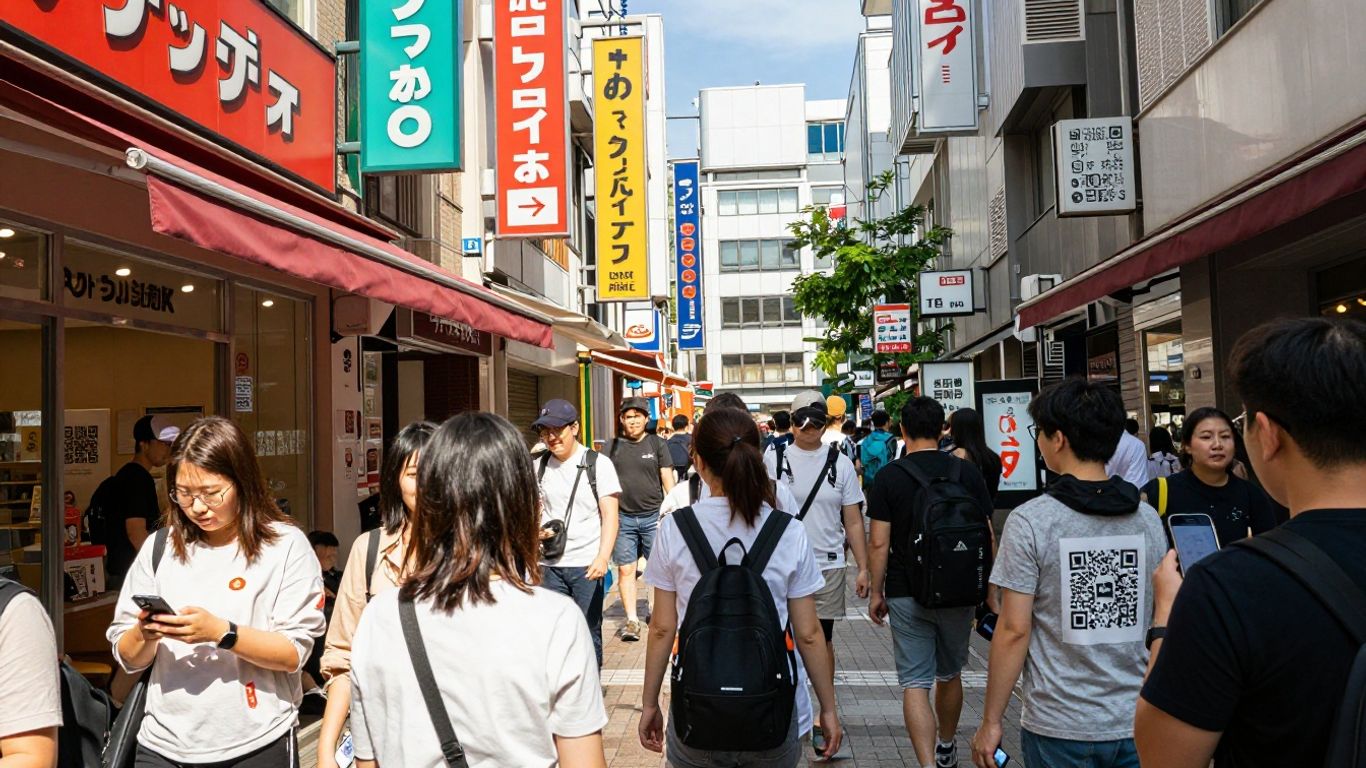
When it comes to tax-free shopping in Japan using QR codes, not everything always goes to plan. Problems can crop up at checkout, misunderstandings can linger, and sometimes staff may not be sure how to help you out. Here’s how to face these situations head-on, make the most out of your shopping experience, and see why a dynamic QR code system (like Scan A Sign for estate agents) can make things smoother in any setting.
It’s frustrating—there you are, ready to grab your tax-free refund, and suddenly the scanner won’t read your QR code. This is a surprisingly common issue and usually down to one of these factors:
Most shops use high-contrast, good-sized QR codes of at least 2cm x 2cm for better scannability, as in retail and property marketing.
If your code won’t scan:
If you’re still stuck and the QR method fails, always keep your paper receipts. Japan has not yet made tax-free digital processes fully universal, and paper can still save the day. For further details, see the reminders on Japan’s tax exemption changes.
You’ve made your purchase, scanned your code, and something’s amiss. Maybe your tax hasn’t come off, or the wrong item got included. Don’t panic. Here’s what to do:
Quick wins if there’s a mistake:
Even in a tech-driven environment, human help is the secret sauce for a smooth transaction. Staff members play a big part in handling hiccups.
To get the best support:
With professionally managed QR codes, like those on Scan A Sign boards for estate agents, behind-the-scenes dashboards let users edit, update, and track data with minimal fuss. That’s why well-designed QR systems remain reliable—errors are fixable from a single dashboard, reducing repeat problems and making it easy for staff and customers alike to get quick results.
| Common Problem (Japan) | Workaround | Long-Term Solution |
|---|---|---|
| QR code fails to scan | Manual entry/paper receipt | Improve code quality/contrast |
| Purchase error/discrepancy | Request refund or re-issue | Digital recordkeeping/all-in-one dashboard |
| Staff unsure of process | Request supervisor | Staff training and clear procedures |
If estate agency boards can be global, always-on lead magnets by using editable QR codes and simple dashboards to manage links and scans, there’s no reason shopping tech can’t learn from the same model. The bottom line? Smart, flexible QR tools make everyone’s life easier, helping you bag more bargains—and, if you’re in property, win more instructions and viewings, every day.
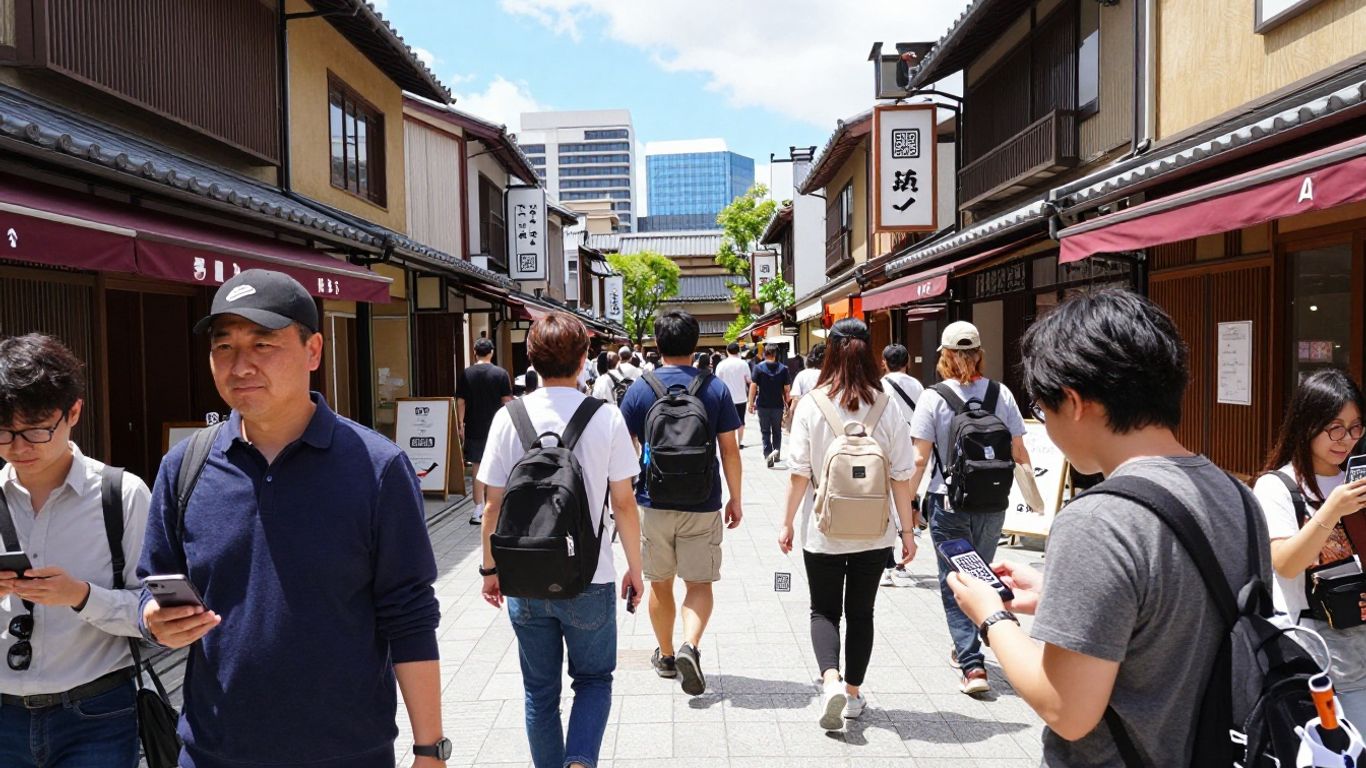
The world of shopping is always changing, and tax-free purchases are no exception. We’re seeing a big shift towards digital methods, making things quicker and easier for everyone. Think about how you can already use services like Visit Japan Web to streamline your tax refund claims by generating a special QR code. This is just the start. The goal is to cut down on paperwork and speed up the whole process, so you spend less time on admin and more time enjoying your trip.
QR codes have become incredibly common, and their role in tax-free shopping is only going to get bigger. They’re a simple way to connect the physical world of shopping with digital information. For travellers, this means faster checkouts and easier ways to prove eligibility for tax refunds. It’s all about making the experience smoother. The convenience of scanning a code to access information or complete a process is something consumers now expect. This trend is likely to continue as more retailers and tax authorities adopt these digital solutions.
Looking ahead, expect even more integration of technology into your shopping journeys. We might see QR codes used for more than just refunds; perhaps for loyalty programmes, personalised offers, or even instant digital receipts. The global QR code payment market is already growing rapidly, showing how people are embracing digital transactions [25a3]. For travellers, staying aware of these changes means you can make the most of new opportunities to save money and time. It’s about being ready for a more connected and efficient shopping future. For businesses, like estate agents using Scan A Sign, the benefits are clear: editable QR codes on boards turn them into lead generators, managed through a simple dashboard with analytics. This helps win more instructions and secure more viewings by providing instant access to property details and tracking engagement [628c].
Thinking about the future of tax-free shopping? It’s an exciting area with lots of potential. We can help you understand how it all works and what it means for your business. Want to learn more? Visit our website today!
So, that’s the gist of it. Shopping tax-free in Japan doesn’t have to be a headache, especially now that QR codes are everywhere. You just need your passport, a bit of patience at the till, and your phone ready to scan. Most shops have clear signs, and staff are used to helping tourists through the process. The QR codes make things quicker—no more filling out endless forms or worrying about paperwork. Next time you’re out hunting for souvenirs or gadgets, keep an eye out for those little black-and-white squares. They’re your ticket to saving a bit of cash and skipping the hassle. Enjoy your shopping—and don’t forget to treat yourself to something nice with the money you save!
You can buy most everyday items like clothes, shoes, electronics, and cosmetics without paying Japan’s consumption tax. However, there are some things that don’t qualify, such as food and drinks meant for immediate consumption, and services like hotel stays or tours. It’s always a good idea to check with the store if you’re unsure.
Look out for signs that say ‘Tax-Free’ or ‘Tax-Exempt’ outside the shop. Many stores that offer this service will also have information on their website or at the checkout. If you’re not sure, just ask a staff member!
You’ll need your passport (not a copy!) to prove you’re a tourist. You’ll also need to show your purchases. The shop will usually give you a special receipt or form to take with you.
Generally, you need to spend at least 5,000 Japanese Yen (about £25) on eligible items in a single shop on the same day. Some shops might have different rules, so it’s worth checking their policy.
QR codes are becoming a common way for shops to handle tax-free purchases. Instead of lots of paper, you might scan a QR code on your receipt or a digital form. This code contains your purchase details, making the process quicker and more digital for both you and the tax authorities.
No, that’s a big no-no! The tax-free items you buy are meant to be taken out of Japan with you when you leave the country. If you use or consume them in Japan, or try to take them out before your departure date, you might have to pay the tax back. So, keep them packed away until you’re heading home!